
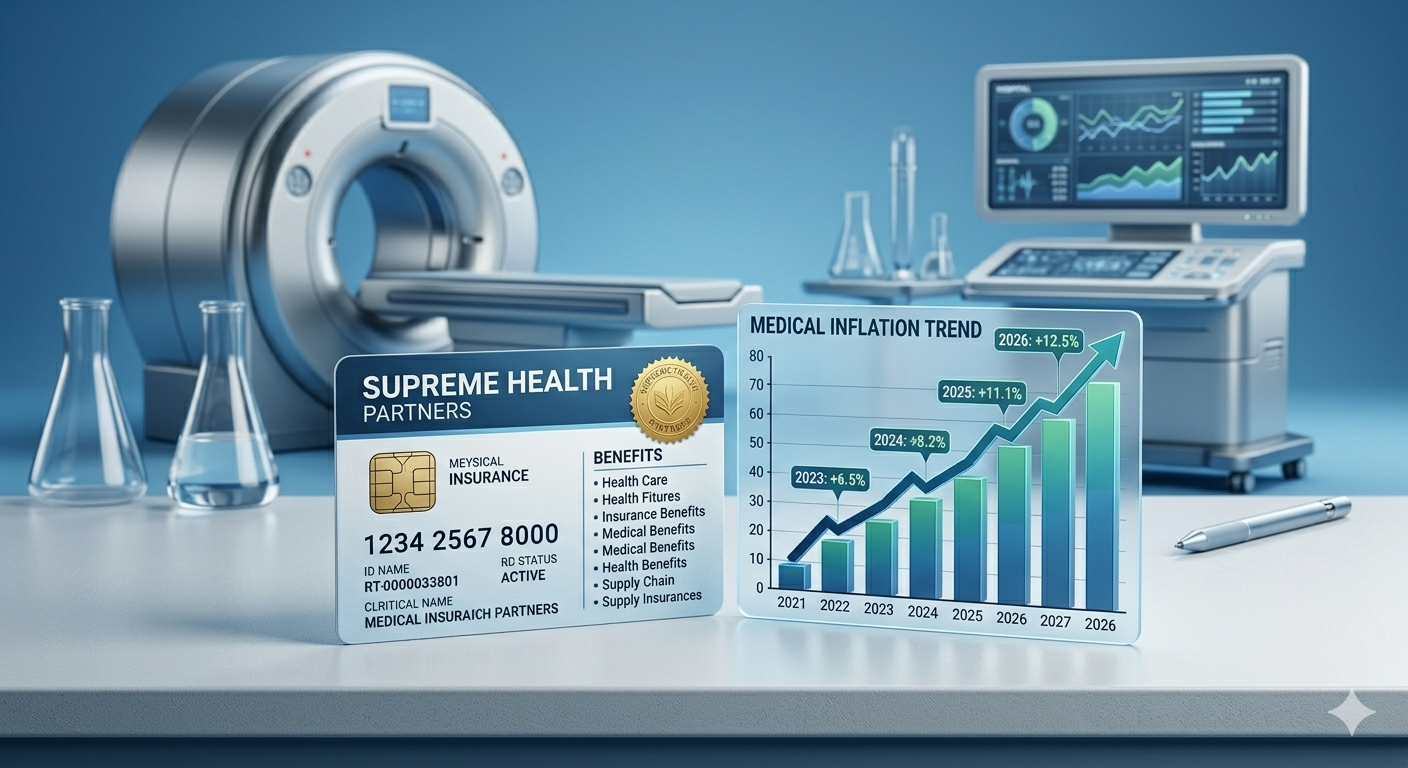
Understanding the 12.5% Premium Surge: How Medical Inflation is Changing Health Policies
I was looking at a recent renewal statement for one of my clients, and the numbers were staggering. A double-digit percentage increase—over 12% in some areas—on their health insurance premiums. It’s the kind of sticker shock that makes you want to cancel your coverage entirely, even though you know you can’t. If you’ve felt this squeeze in 2026, you aren’t imagining it. This isn’t a temporary blip; it’s the result of a “perfect storm” in our healthcare system.
When premiums spike, it’s easy to blame the insurance carriers. But as someone who looks at the “plumbing” of the industry daily, I can tell you that the pressure is coming from the supply side. Costs aren’t just rising; they are fundamentally re-ordering how we pay for health.
The Engine Behind the Inflation
Why are we seeing these 12.5% (or higher) jumps? It’s not one thing; it’s a convergence of several massive trends that are pushing the entire cost of care upward.
1. The GLP-1 Weight-Loss Revolution
You’ve seen the commercials for Ozempic, Mounjaro, and Wegovy. These drugs are incredible for patients, but they are incredibly expensive for the system. With monthly costs often exceeding $1,000 per patient and long-term usage becoming the norm, these medications are single-handedly shifting pharmacy budgets. Insurers are now scrambling to re-price their plans to account for this new, permanent tier of high-cost demand.
2. The “Aging Tsunami”
The U.S. population is getting older, and older populations require more care. We have a growing cohort of retirees managing complex, chronic conditions like heart disease, diabetes, and cancer. Because seniors account for a disproportionate amount of healthcare spending, as more people enter this bracket, the “risk pool” for the entire country becomes more expensive to maintain.
3. Facility and Labor Costs
Think about the last time you visited a hospital. Between staffing shortages (which have pushed nurse and technician wages to record highs) and the massive capital investments needed for new medical technology and facility upgrades, hospitals are passing those costs directly to insurers through higher reimbursement rates. Insurers, in turn, pass those costs to you.
How Policies Are Changing (And How You Can Adapt)
Insurers aren’t just raising premiums; they are fundamentally changing what your policy looks like to mitigate their risk. Here is what to expect in your next plan document:
- Higher Cost-Sharing: Expect “deductible creep.” Policies are increasingly pushing more costs to the employee through higher co-pays and out-of-pocket maximums.
- Tighter Drug Formularies: Insurers are becoming much stricter about what medications they cover. If you rely on brand-name specialty drugs, you may face higher hurdles for prior authorization.
- Narrower Networks: To keep premiums from skyrocketing even further, insurers are negotiating with fewer providers, which means your “in-network” list might be smaller than it was last year.
Strategic Moves for You
1. Re-evaluate your plan during Open Enrollment: Don’t just auto-renew. Compare the “total cost of ownership”—that means adding your premium to your expected out-of-pocket costs to see which plan actually costs less.
2. Maximize Preventive Care: The system is starting to heavily incentivize preventive screenings. Take advantage of your free annual check-ups. Catching a condition early is significantly cheaper than managing a crisis later.
3. Use HSAs as a Tool: If your employer offers a high-deductible plan with a Health Savings Account (HSA), run the numbers. The tax advantages can help offset some of the pain of the higher deductibles.
Final Thoughts
The 12.5% surge is a wake-up call. We are in a period of “sticky” healthcare inflation, meaning these costs aren’t likely to drop anytime soon. The best strategy isn’t to look for a magical “cheap” plan—because those are becoming extinct—but to become a more proactive manager of your own healthcare. Stay informed, review your benefits with a fine-tooth comb, and don’t be afraid to ask your broker for alternative plan designs that might better suit your current health needs.