Embedded Insurance: Why You’re Buying Insurance Without Realizing It
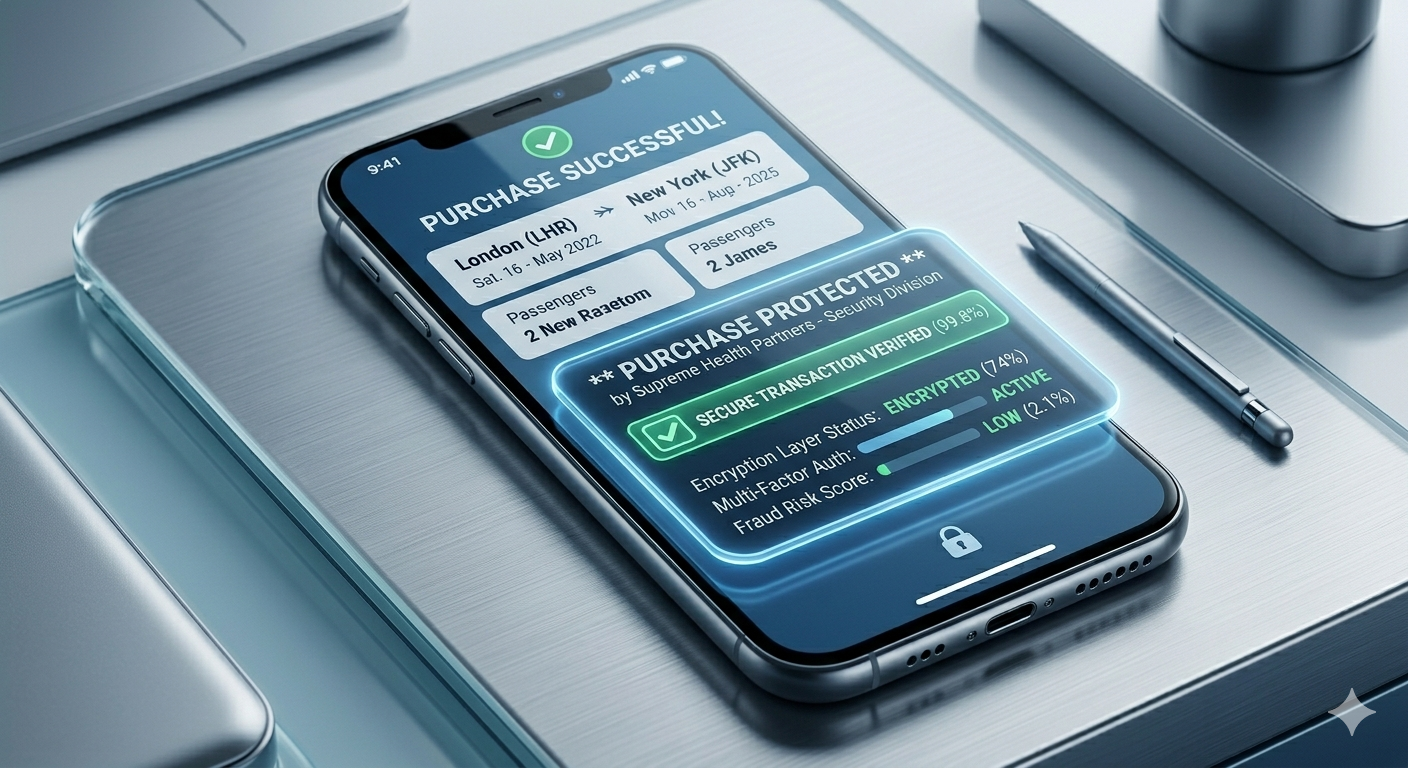
I remember booking a flight a few months ago. It was a standard process: pick the dates, select the seats, enter the payment info. Right before I hit the final “confirm” button, a small, subtle checkbox appeared: “Add trip cancellation protection for $15.” I clicked it, paid, and moved on. It wasn’t until a week later that I realized I hadn’t actually “bought insurance” in the traditional sense. I hadn’t called an agent, I hadn’t filled out a 20-page form, and I hadn’t even visited an insurance carrier’s website. I just integrated it into the flow of my day.
That, my friends, is Embedded Insurance. It is perhaps the most significant shift in how risk is managed in our lifetimes. We are moving away from insurance as a “destination”—where you go to a separate place to buy a product—and toward insurance as an “invisible layer”—where the protection is baked directly into the products and services you already use.
The End of the “Insurance Destination”
Traditionally, buying insurance was a friction-filled experience. You had to go out of your way to find it, research it, and buy it. Embedded insurance kills that friction. By placing coverage exactly where and when you need it, insurers are meeting customers in their own digital ecosystems.
Think about your Tesla. You don’t have to go to a separate insurance office to insure it. You can do it through the app that already manages your car. Think about buying a new phone on Amazon. You aren’t just buying a handset; you’re buying a “protection bundle” that covers loss, theft, and damage at the point of sale. You aren’t shopping for insurance; you’re just clicking “protect my purchase.”
Where It Lives (The “Invisible Layer”)
You’re probably already using embedded insurance without giving it a second thought. It’s popping up everywhere:
- Travel Platforms: When you book a hotel or a flight, the refund protection you buy is usually an embedded product underwritten by a third party.
- Fintech Apps: Many digital banks now embed purchase protection or travel insurance into their premium debit cards. It’s not an extra bill; it’s a feature of the card you already use.
- Gig Economy Apps: Platforms like Uber or Airbnb embed insurance for their drivers and hosts, ensuring they’re covered during the specific moments they are providing a service.
- E-commerce Checkout: The “shipping protection” or “extended warranty” toggles are the most common form of embedded insurance you see daily.
Why Brands Love It (And Why You Should Too)
For Brands: It creates a “sticky” ecosystem. By offering protection directly in their app, companies like Amazon or Apple keep you in their world. They don’t have to send you to a third-party site where you might get distracted or abandon your purchase.
For Consumers: It’s the ultimate convenience. The data is already there. The purchase is already authorized. Why should you have to enter your credit card info again for a separate insurance policy? It’s simply easier.
For Insurers: It’s a massive distribution channel. They get access to millions of potential customers without having to spend a fortune on traditional advertising. They just “plug in” to the brands you already trust.
Common Pitfalls (Look Before You Click)
While convenience is great, there’s a danger in being too “embedded”:
- The “Hidden Value” Trap: Sometimes, embedded insurance is a great deal. Other times, it’s a high-margin product with limited coverage. Always take two seconds to read the “what’s covered” summary—don’t just assume it’s a comprehensive policy.
- The Data Trade-off: Embedded insurance requires data sharing between the platform (e.g., your bank) and the insurer. Make sure you’re comfortable with how much information you’re sharing.
- The “Black Box” of Claims: Because the insurance is embedded, sometimes the claims process is also embedded in the app. This is great when it works, but if the app’s claims portal is buggy, you might find yourself with no easy way to get help.
Final Thoughts
Embedded insurance is the “Invisible Layer” of the modern economy. It’s making protection more accessible, more relevant, and—most importantly—much, much easier to acquire. As we move forward, expect to see it everywhere. From your monthly utility bills to your gym memberships, we are heading toward a world where your risk is covered automatically, leaving you to focus on the things you actually want to do, rather than the “what-ifs” that keep you up at night.