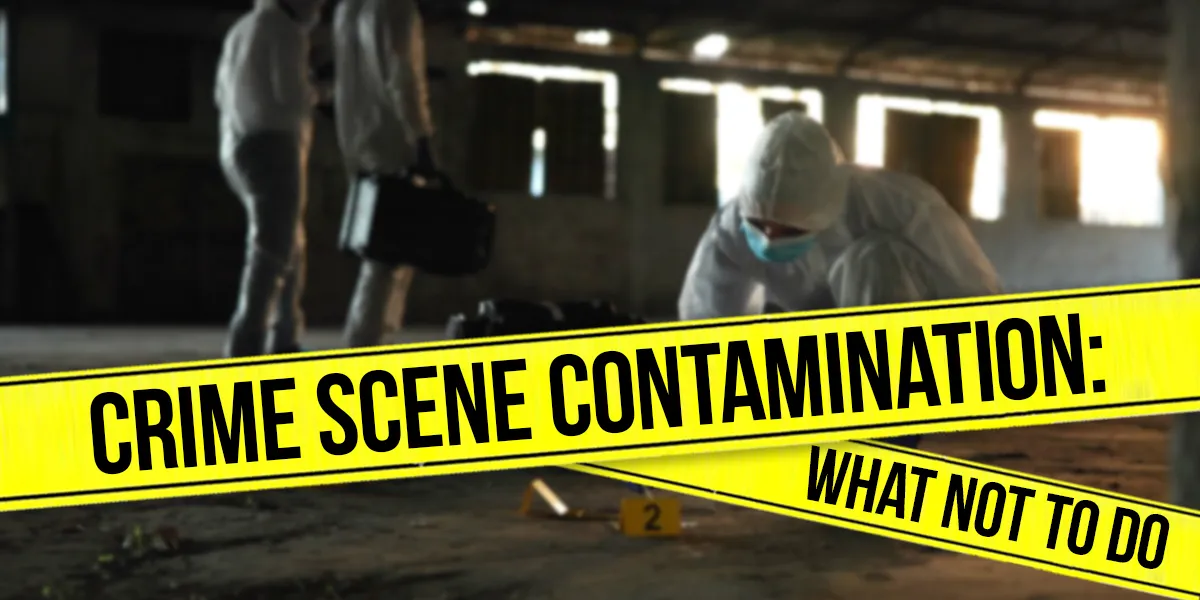
Imagine stumbling upon a chaotic scene late at night—a broken window, scattered belongings, and that eerie silence that screams something went wrong. Your first instinct might be to rush in, pick things up, or call for help while pacing around. But hold on, that’s exactly where things can go south fast. As someone who’s spent years around law enforcement folks and heard their war stories, I’ve learned that one wrong move can turn solid evidence into a courtroom disaster. This article dives deep into crime scene contamination, focusing on what you absolutely shouldn’t do, backed by real insights to keep things real and relatable.
Understanding Crime Scene Contamination
Crime scene contamination happens when foreign materials or substances sneak into the area, messing with the original evidence left behind. It’s like adding extra ingredients to a recipe that ruin the whole dish—suddenly, fingerprints, DNA, or fibers don’t tell the true story. This unintended interference can come from anyone or anything, leading to flawed investigations and heartbreaking miscarriages of justice.
Primary vs. Secondary Transfer
Primary transfer is direct, like when you touch an object and leave your skin cells behind. Secondary transfer is sneakier—it happens through intermediaries, such as using the same tool at multiple scenes without cleaning it. Think of it as a chain reaction; one small slip, and evidence from an unrelated case ends up confusing everything.
Why It Matters in Investigations
Contamination doesn’t just muddle facts; it erodes trust in the system. I’ve chatted with detectives who lost cases because a stray hair from an officer showed up in DNA tests, sparking doubts. It’s emotionally draining—victims wait for closure, only to face delays or worse.
Common Mistakes at a Crime Scene
One big no-no is letting too many people wander in, turning the area into a social gathering. Officers, witnesses, or even curious neighbors can track in dirt, fibers, or worse, destroying subtle clues like footprints. It’s tempting to “help,” but that often backfires, creating more questions than answers.
Touching or Moving Objects
Don’t grab anything unless it’s life-or-death. Moving a chair or picking up a weapon might seem harmless, but it can smear prints or transfer your DNA. I remember a story from a buddy in forensics: a well-meaning cop shifted a bloody knife, and bam—his glove print became a red herring in court.
Eating, Drinking, or Smoking Nearby
Picture this: you’re stressed, so you sip coffee while surveying the scene. That droplet could mix with evidence, or cigarette ash might fall into a key area. It’s not just gross; it’s a contamination bomb waiting to explode, potentially invalidating biological samples.
Failing to Use Proper PPE
Skipping gloves, masks, or booties is like inviting trouble. Without them, your sweat, breath, or shoe treads add unwanted elements. Humor me—don’t be that guy in movies who dramatically uncovers clues bare-handed; in real life, it’s a fast track to evidence dismissal.
Ignoring Weather or Environmental Factors
Outdoor scenes are tricky; rain can wash away blood, wind scatters fibers. Not covering evidence quickly enough lets nature play detective, often wrongly. I’ve seen cases where a sudden downpour turned a clear trail into a muddy mess, frustrating everyone involved.
The Don’ts: A Quick Checklist
- Don’t enter without authorization—chain of custody starts at the door.
- Avoid using personal items like phones; stick to official radios.
- Never litter or leave trash; it could be mistaken for evidence.
- Steer clear of unnecessary conversations near evidence—spit happens.
- Don’t assume something’s irrelevant; let experts decide.
Real-Life Examples of Contamination Gone Wrong
Take the Adam Scott case: a young man spent months in jail for rape because his saliva from a prior sample contaminated a reused plastic tray. The lab washed it, but not well enough, leading to a false match. It’s a chilling reminder of how tiny oversights snowball.
The Time Travel Murder Mix-Up
In 1997, DNA from a murder victim’s nails matched another woman’s—except she died weeks earlier. Turns out, lab scissors weren’t fully cleaned between samples, transferring DNA. This “time travel” blunder delayed justice and highlighted tool hygiene’s importance.
Amanda Knox and Evidence Mishandling
During the Meredith Kercher murder investigation, police didn’t change gloves often, risking cross-contamination. Critics pointed to mishandled DNA on a knife, fueling appeals and acquittals. It’s a high-profile mess that shows how contamination fuels doubt.
Police DNA on Samples
Studies show officers’ DNA appearing in traces due to indirect transfer—like from equipment. In Austria, a database caught 347 incidents over years, many from secondary paths. These examples hit home; innocent lives hang in the balance.
Impacts of Crime Scene Contamination
Contamination can torpedo cases, leading to wrongful convictions or guilty parties walking free. It wastes resources, erodes public trust, and prolongs victims’ pain. Emotionally, it’s gut-wrenching—families relive trauma in retrials, all because of avoidable slips.
Legal Ramifications
Tainted evidence often gets tossed in court, weakening prosecutions. Defense attorneys love spotting contamination; it creates reasonable doubt. In serious crimes like homicides, this means justice delayed or denied, shaking the legal system’s foundation.
Emotional Toll on Victims and Families
Beyond courts, there’s human cost. Imagine learning a loved one’s killer escaped due to a contaminated sample—it’s infuriating. I’ve heard stories where families pushed for reforms after such failures, turning grief into advocacy.
How to Avoid Contamination: Best Practices
Secure the scene immediately with tape or barriers to limit access. Log everyone who enters; it’s simple but crucial for accountability. This step alone cuts unauthorized contamination risks dramatically.
Wearing Proper PPE
Double up on gloves, change them frequently, and don full suits for biohazards. Masks prevent breath or saliva transfer—think COVID lessons applied to forensics. It’s not overkill; it’s smart protection for you and the evidence.
Evidence Collection Order
Start with fragile traces like hairs or fibers, then move to fluids or prints. This sequence minimizes destruction from later steps, like powders contaminating DNA. It’s like baking—prep delicate ingredients first.
Packaging and Storage Tips
Air-dry wet items before bagging in paper, not plastic, to dodge mold. Seal with tape, skip staples to avoid cuts and blood mixes. Proper handling preserves integrity from scene to lab.
Decontamination Protocols
Wipe tools with 10% bleach between uses; set up zones for shedding PPE. For gear like cameras or clipboards, regular cleaning prevents carryover. These habits turn potential pitfalls into prevented problems.
Pros and Cons of Common Anti-Contamination Measures
| Measure | Pros | Cons |
|---|---|---|
| Disposable PPE | Reduces transfer risks; easy disposal. | Costly for frequent use; environmental waste. |
| Double Gloving | Extra barrier; quick outer changes. | Can feel bulky; might reduce dexterity. |
| Scene Logging | Tracks entrants; aids chain of custody. | Time-consuming in emergencies. |
| Bleach Cleaning | Effective against biohazards; cheap. | Corrosive on some equipment; strong smell. |
Comparison: Traditional vs. Modern Tools for Prevention
Traditional methods like basic gloves and tape work, but modern ones shine. Compare manual swabbing to DNA-free kits: the latter minimizes human error with pre-sterilized tools. Or standard barriers vs. digital mapping—scanners capture scenes without physical intrusion, cutting contamination odds.
Traditional Tools
Rely on basics like paper bags and manual logs. They’re reliable but prone to oversight in busy scenes.
Modern Innovations
3D scanners and no-touch wands lift prints without dust, preserving originals. Microbial analysis adds layers, identifying contaminants early.
Best Tools for Crime Scene Management
For top-notch prevention, grab DNA collection kits with sterile swabs and vials—they’re game-changers for bio evidence. Brands like Puritan offer reliable options, ensuring no pre-contamination.
Essential PPE Kits
Look for full-body suits from DuPont Tyvek; they’re breathable yet protective. Pair with N95 masks and nitrile gloves for comprehensive coverage.
Digital Documentation Devices
Invest in high-res cameras like Nikon forensics models or 3D lasers from Faro. They document without touching, ideal for fragile scenes.
Decontamination Supplies
Stock 10% bleach solutions and UV sterilizers. For portable cleaning, Clorox wipes are handy, but always follow protocols.
Where to Get Training and Resources
Head to the National Institute of Justice (NIJ) site for free online modules on DNA handling and contamination prevention—perfect for beginners. For books, “Crime Scene Management” by Raul Sutton offers practical scene-specific methods.
Recommended Books
- “An Introduction to Crime Scene Investigation” by Aric Dutelle: Comprehensive overview.
- “Crime Scene Unit Management” by Edward Wallace: Focuses on error-free preservation.
Online Courses
Sirchie’s forensic classes cover evidence collection; virtual options run $400-500. Or try Hazmat School’s crime scene cleanup course for biohazard focus.
People Also Ask
What is contaminated evidence?
Contaminated evidence is foreign material added post-crime, like transferred DNA, altering its reliability.
How do investigators prevent cross-contamination?
By changing PPE often, using disposable tools, and cleaning equipment with bleach solutions.
What are examples of crime scene contamination?
Cases like Adam Scott’s false rape charge from reused trays or the 1997 murder mix-up via unclean scissors.
Why is contamination a big deal in forensics?
It can lead to wrongful convictions, lost cases, and undermined justice, affecting lives profoundly.
FAQ
How can civilians avoid contaminating a potential crime scene?
Stay out, don’t touch anything, and call authorities immediately. Your safety comes first, but preserving the scene helps justice.
What are the first steps for officers at a scene?
Secure the perimeter with tape, limit access, and document arrivals. This sets the foundation for clean evidence.
Are there apps or tech for contamination tracking?
Yes, digital logs and apps like Evidence.com track chain of custody, reducing human error.
How does weather affect contamination risks?
Elements like rain dilute traces; cover evidence quickly with tarps to protect integrity.
What’s the cost of contamination mistakes?
Beyond financial—retrials run thousands—it causes emotional harm, eroding trust in law enforcement.
In wrapping up, remember that avoiding contamination isn’t just procedure; it’s about honoring the truth. From my chats with pros, one slip can haunt a case forever. Stay vigilant, use the right tools, and let’s keep justice clean. For more, check NIJ’s training resources.
Leave a Reply