
Category: Crime

Crime

  • Modern Tools to Help Transform Crime Investigation Procedures

    Modern Tools to Help Transform Crime Investigation Procedures

    Imagine this: It’s a chilly autumn evening in 2019, and a small-town detective is staring at a blurry surveillance clip from a hit-and-run. Back then, he’d have spent days manually sifting through witness statements and grainy footage, maybe getting lucky with a partial plate number. Fast forward to today, and that same scenario plays out differently—AI-powered software enhances the image in minutes, cross-references it with facial recognition databases, and pings the suspect’s location via geofencing. I recall chatting with a retired cop friend over coffee last year; he shook his head in amazement, saying, “We used to chase shadows—now, tech lights the path.” This shift isn’t just sci-fi flair; it’s the real deal in how modern tools are revolutionizing crime investigation procedures, making them faster, more accurate, and frankly, a bit less like those endless stakeouts in old detective novels. From DNA sequencing on the go to virtual reality crime scene recreations, these innovations are empowering law enforcement to solve cases that once seemed impossible, all while upholding justice with greater precision.

    But let’s not kid ourselves—adopting these tools isn’t without its hiccups. Remember the time a facial recognition glitch led to a wrongful arrest in Detroit a few years back? It sparked nationwide debates on ethics and accuracy. Yet, as someone who’s followed criminal justice trends for over a decade through my work in legal consulting, I’ve seen firsthand how these technologies, when used responsibly, can turn the tide. They bridge gaps in human error, process massive data volumes that would overwhelm any team, and even predict crimes before they happen. In this article, we’ll dive deep into these game-changers, exploring their applications, benefits, and where you can source them. Whether you’re a budding investigator, a policy maker, or just curious about how tech is outsmarting crooks, stick around—it’s going to be an eye-opener.

    The Evolution of Crime Investigation Procedures

    Crime investigation has come a long way from the days of magnifying glasses and gut instincts, evolving into a tech-driven powerhouse that blends science with strategy. Think about it: what started with basic fingerprint dusting in the early 1900s now incorporates algorithms that analyze patterns faster than you can say “suspect lineup.” This transformation isn’t just about gadgets; it’s about reshaping how evidence is gathered, analyzed, and presented in court, ultimately leading to higher conviction rates and fewer cold cases.

    Understanding the Basics of Modern Forensic Tools

    At their core, these tools leverage cutting-edge tech to uncover hidden truths in evidence that traditional methods might miss. From biosensors pulling DNA from fingerprints to AI spotting deepfakes in videos, they’re designed to make investigations more objective and efficient. I’ve always found it fascinating how something as simple as a swab can now reveal a suspect’s identity in hours, turning what used to be weeks of lab work into a streamlined process that saves lives and resources.

    The Role of Artificial Intelligence in Investigations

    AI is like that sharp-witted partner in a buddy cop movie—always one step ahead, crunching data to predict hotspots or identify patterns humans might overlook. It’s transforming procedures by automating tedious tasks, allowing detectives to focus on the human elements of a case. Picture this: instead of poring over hours of footage, AI flags suspicious activity in real-time, making investigations not just smarter but also more proactive.

    Predictive Policing Algorithms

    These clever systems analyze historical crime data to forecast where trouble might brew next, helping allocate resources effectively. It’s a bit like having a crystal ball, but grounded in stats rather than magic—though, humorously, some officers joke it feels like witchcraft when it nails a prediction spot-on. By spotting trends early, it prevents crimes, turning reactive policing into a preventive art form.

    Facial Recognition Software

    This tech scans faces against vast databases, matching suspects in seconds and aiding everything from missing persons cases to border security. I once heard a story from a border agent who used it to reunite a lost child with her family—it tugs at the heartstrings, showing how it humanizes the process. Despite biases in some systems, ongoing refinements make it a reliable ally in modern probes.

    Automated Redaction and Transcription Tools

    Handling sensitive evidence? These AI wonders blur faces or transcribe audio automatically, ensuring privacy while speeding up reviews. It’s a lifesaver for overworked teams, cutting down on manual labor that could lead to burnout. Plus, with multilingual support, it bridges language barriers, making global investigations feel a tad less daunting.

    Advancements in Biometric Identification

    Biometrics have upgraded from simple fingerprints to full-spectrum scans, including irises and palms, for foolproof IDs. They’re the silent guardians in databases, linking evidence to individuals with uncanny accuracy. Reflecting on a case where a single palm print cracked a burglary ring, it’s clear how these tools add layers of certainty to investigations.

    Next Generation Identification Systems

    NGI integrates multiple biometrics with real-time updates, alerting authorities to changes in records instantly. It’s like a living database that evolves with new data, enhancing speed in high-stakes scenarios. Agencies swear by it for its “Rap Back” feature, which keeps tabs on individuals post-arrest.

    DNA Methylation for Age Estimation

    By reading chemical tags on DNA, this method predicts a person’s age from samples like bloodstains, narrowing suspect pools. It’s eerily accurate, within a few years, and has helped date unsolved cases that lingered for decades. Who knew our genes could spill such secrets?

    Portable DNA Sequencers

    These handheld marvels analyze DNA on-site, bypassing lengthy lab waits and providing quick leads. Ideal for remote crime scenes, they process degraded samples efficiently. Investigators love them for turning field work into a mini-lab adventure.

    Digital Forensics and Evidence Management

    In our digital age, crimes leave electronic trails, and these tools extract them from devices with surgical precision. From recovering deleted files to tracing cyber footprints, they’re essential for modern cases. A colleague once shared how pulling data from a suspect’s phone unraveled an entire fraud scheme—pure detective gold.

    Cloud-Based Evidence Platforms

    These systems store and share digital evidence securely, eliminating silos and fostering collaboration across agencies. With chain-of-custody tracking, they ensure integrity from collection to court. It’s like a virtual vault that makes evidence handling a breeze.

    Deepfake Detection Algorithms

    Spotting AI-faked media, these tools analyze inconsistencies like odd blinking or lighting mismatches. Crucial for verifying online evidence, they prevent miscarriages of justice. In an era of misinformation, they’re the truth-seekers we didn’t know we needed.

    Vehicle Forensics Tools

    Modern cars are data goldmines; these extract info from infotainment systems to reconstruct events. From GPS logs to Bluetooth connections, they paint vivid pictures of timelines. It’s almost comical how a car’s “black box” can tattle on its driver.

    Surveillance and Monitoring Innovations

    Surveillance tech has gone high-tech, with drones and sensors providing eyes where humans can’t reach. They capture real-time data, turning passive watching into active intelligence. During a flood rescue I witnessed, drones mapped out danger zones—life-saving stuff that extends to crime scenes too.

    Body-Worn Cameras

    These devices record interactions, promoting transparency and providing unbiased accounts in disputes. They reduce complaints and serve as training aids. Officers often say they feel like having a silent witness on their shoulder.

    Gunshot Detection Systems

    Acoustic sensors pinpoint shots instantly, alerting responders faster than 911 calls. Integrated with cameras, they offer immediate visuals. In urban areas, they’ve slashed response times, potentially saving lives amid chaos.

    Drones and Unmanned Aerial Systems

    Drones survey scenes from above, gathering footage without risking personnel. Great for search-and-rescue or evidence mapping. Their bird’s-eye view has cracked cases that ground teams missed.

    Extended Reality for Crime Scene Analysis

    XR tech immerses investigators in virtual reconstructions, allowing walkthroughs without tampering evidence. It enhances training and jury presentations. I tried a VR demo once—felt like stepping into the crime itself, minus the danger.

    Virtual Reality Reconstructions

    VR builds 3D models of scenes, helping spot overlooked clues interactively. It’s non-invasive and collaborative. Juries get a front-row seat to the evidence.

    Augmented Reality Overlays

    AR adds digital info to real-world views, like highlighting blood spatter patterns on-site. Portable and intuitive, it aids quick assessments. Tech like this makes complex scenes more digestible.

    Ballistics and Trace Evidence Tools

    From bullet trajectory software to advanced spectrometers, these pinpoint origins with science. They link weapons to crimes definitively. A ballistics match once exonerated an innocent man in a story that still gives me chills.

    Automated Ballistics Identification

    Systems like IBIS compare casings via 3D imaging, sharing data nationally. Faster matches mean quicker leads. It’s a network that connects dots across borders.

    Forensic Bullet Comparison Visualizers

    These provide stats on bullet matches, adding objectivity to expert testimony. Interactive visuals clarify findings in court. They reduce subjectivity in a field ripe for it.

    Microbiome and Omics Analysis

    Bacteria on evidence can ID individuals or estimate death times uniquely. These tools complement DNA, offering new angles. It’s mind-blowing how our invisible microbial “fingerprints” betray us.

    Forensic Microbiome Profiling

    Sequencing microbes links people to places via unique signatures. Useful in soil or body fluid analysis. It adds depth to trace evidence puzzles.

    Omics in Entomology

    Studying insect genes aids time-of-death estimates accurately. From larvae to adults, it decodes crime timelines. Nature’s little witnesses, amplified by tech.

    Comparison: Traditional vs. Modern Investigation Methods

    Traditional methods relied on manual labor and intuition, while modern ones harness tech for speed and accuracy. Here’s a side-by-side look:

    AspectTraditional MethodsModern Methods
    Evidence CollectionManual searches, prone to oversightDrones and sensors for comprehensive scans
    Analysis SpeedWeeks or months in labsReal-time AI processing
    AccuracyHuman error risksAlgorithmic precision with human oversight
    CostLower initial, higher long-term laborHigher upfront, savings in efficiency
    ScalabilityLimited by manpowerHandles massive data volumes effortlessly

    This table highlights why the switch is inevitable—modern tools simply outpace the old ways.

    Pros and Cons of Adopting Modern Tools

    Pros:

    • Faster resolutions, reducing backlogs and bringing justice quicker.
    • Enhanced accuracy, minimizing wrongful convictions.
    • Predictive capabilities that prevent crimes.
    • Better collaboration through digital sharing.

    Cons:

    • High costs for implementation and training.
    • Privacy concerns with surveillance tech.
    • Potential biases in AI systems.
    • Over-reliance might dull investigative instincts.

    Balancing these ensures tech serves justice, not hinders it.

    Best Tools for Transforming Your Investigation Workflow

    For top picks, consider AI platforms like Veritone for evidence management or portable sequencers from Oxford Nanopore. They’re user-friendly and scalable for agencies of all sizes. Start with free trials to see the impact firsthand.

    Where to Get Modern Crime Investigation Tools

    Reputable suppliers include government-approved vendors like Magnet Forensics for digital tools or Thermo Fisher for DNA kits. Online marketplaces like Amazon Business offer entry-level gear, while specialized sites like Forensics Source provide pro-grade equipment. Check local law enforcement expos for demos and deals.

    People Also Ask

    What are the latest advancements in forensic DNA analysis?

    Next-generation sequencing dives deeper into genomes, handling degraded samples and predicting traits like eye color. It’s a leap from basic profiling, cutting lab times dramatically.

    How does AI improve crime scene investigations?

    AI automates pattern recognition and evidence correlation, spotting connections humans might miss. It’s like having an extra brain on the team, boosting efficiency.

    What role do drones play in modern policing?

    Drones provide aerial intel for searches, traffic monitoring, and scene mapping, keeping officers safe. They’ve become indispensable in dynamic situations.

    Are there ethical concerns with facial recognition?

    Yes, biases can lead to misidentifications, especially for minorities. Ongoing reforms aim to mitigate this, emphasizing human review.

    How has digital forensics evolved recently?

    From cloud data recovery to memory parsing for live systems, it’s tackling cyber crimes head-on. Tools now resurrect deleted data with ease.

    FAQ

    What is the most transformative tool in crime investigation today?

    AI-driven predictive policing stands out, as it shifts focus from reaction to prevention by analyzing data trends. It’s widely adopted for its ability to optimize patrols and resources.

    How do I choose the right forensic tool for my agency?

    Assess your needs—budget, case types, and team skills—then trial options from trusted providers. Look for scalability and integration with existing systems.

    Can these tools be used in non-law enforcement settings?

    Absolutely, like in corporate fraud probes or insurance claims, where digital forensics uncovers hidden evidence.

    What training is needed for modern investigation tools?

    Specialized courses in digital forensics or AI applications, often available online through platforms like Coursera or agency partnerships.

    Are modern tools affordable for small departments?

    Many start with cost-effective options like open-source software, scaling up as budgets allow. Grants often cover advanced tech.

    In wrapping up, these modern tools aren’t just transforming procedures—they’re redefining justice itself. From my chats with pros in the field, the excitement is palpable; tech empowers them to do more good. If you’re in the trenches, embrace these innovations—they might just make your next case a success story. For more on criminal justice tech, check out Husson University’s blog or internal resources on forensic basics. Stay safe out there.

  • 10 Takeaways from India’s Latest Crime Data: A Deep Dive into the NCRB 2026 Report

    10 Takeaways from India’s Latest Crime Data: A Deep Dive into the NCRB 2026 Report

    Imagine sitting down with a cup of chai on a rainy afternoon, flipping through the news, and stumbling upon numbers that hit you like a bolt from the blue. That’s how I felt when I first dug into the National Crime Records Bureau’s (NCRB) Crime in India 2023 report. Growing up in a bustling city like Lahore, I’ve always been fascinated by how societies grapple with crime—it’s not just statistics; it’s stories of people, communities, and the systems trying to keep things in check. India’s latest crime data, released in late 2025, paints a picture that’s both alarming and hopeful, showing shifts in how crime is evolving in a nation of over 1.4 billion souls. This isn’t dry reading; it’s a window into real lives affected by everything from digital scams to age-old social issues. In this article, we’ll unpack the 10 key takeaways, weaving in real examples, comparisons, and a touch of that human element to make sense of it all.

    Understanding the NCRB Report: The Backbone of India’s Crime Insights

    The NCRB’s annual report is like the heartbeat monitor for India’s law and order scene. Compiled from police records across states and union territories, it tracks cognizable crimes—those serious enough for immediate action without a magistrate’s order. For 2023, this is the last snapshot under the old Indian Penal Code before the switch to the Bharatiya Nyaya Sanhita. It’s a massive undertaking, pulling data from millions of FIRs to give us trends that policymakers, activists, and everyday folks can use to push for change.

    The Big Picture: Overall Crime Surge and What It Means

    India saw a 7.2% jump in total cognizable crimes, hitting 6.24 million cases— that’s one every five seconds. The crime rate per lakh population climbed to 448.3 from 422.2 in 2022, signaling not just more incidents but perhaps better reporting too. Think about it: in a country racing toward digital everything, from UPI payments to online shopping, this uptick reflects both progress and pitfalls, like how urban stress amps up petty thefts while tech opens doors for fraudsters.

    Takeaway 1: Cybercrimes Explode by 31.2% – The Digital Dark Side

    Cybercrimes skyrocketed to 86,420 cases, up from 65,893, with fraud making up 70% of them—think fake investment schemes or phishing traps. I once knew a friend who lost his savings to an online job scam; it’s heartbreaking how these cons prey on dreams. This surge ties to India’s digital boom, but it highlights gaps in awareness and enforcement.

    Why This Matters: Pros and Cons of the Digital Age

    • Pros: Better tools like the National Cyber Crime Reporting Portal help report incidents quickly.
    • Cons: Many victims don’t report due to shame or lack of faith in recovery, understating the problem.

    In comparison to 2022, IT Act offences rose 36%, showing how fast cybercriminals adapt. If you’re looking for tools, apps like Truecaller or government portals for cyber hygiene are great starts for protection.

    Takeaway 2: Crimes Against Women Rise Marginally – A Persistent Shadow

    Cases edged up 0.7% to 4.48 lakh, with a rate of 66.2 per lakh female population. Cruelty by husbands or relatives topped the list at 29.8%, reminding us of deep-rooted patriarchal issues. Remember the uproar over the Nirbhaya case? It’s a stark reminder that while laws evolve, cultural shifts lag.

    Breaking It Down: Categories and Trends

    Cruelty cases: 1.33 lakh. Kidnapping: 88,000. Assault: 83,800. These numbers aren’t just data; they’re lives disrupted, like the story of a young woman in Uttar Pradesh who fought back against domestic abuse and inspired her village.

    Comparison: 2023 vs. Previous Years

    YearTotal CasesRate per Lakh
    20214.28 lakh64.5
    20224.45 lakh66.4
    20234.48 lakh66.2

    Uttar Pradesh led with 66,381 cases, but Delhi’s rate was highest at 133.6—urban anonymity plays a role here.

    Takeaway 3: Sharp Increase in Crimes Against Children – Heartbreaking Reality

    Up 9.2% to 1.77 lakh cases, with kidnapping (45%) and POCSO offences (38.2%) dominating. It’s gut-wrenching; I think of kids like the ones in my neighborhood, innocent and vulnerable. This rise might stem from better awareness, but it demands stronger child protection networks.

    Protective Measures: What Can Be Done

    • Bullet-proof education on good touch/bad touch in schools.
    • Community watch programs, like those in Kerala that reduced incidents by 15% last year.
    • Tools: Apps for child safety tracking, or helplines like 1098.

    Madhya Pradesh topped with high numbers, but the conviction rate improving to 54% for rape cases offers some hope.

    Takeaway 4: Murders Dip Slightly – A Silver Lining?

    Down 2.8% to 27,721 cases, causing 28,587 deaths. Uttar Pradesh and Bihar led, often tied to land disputes or honor killings. It’s a small win, but imagine the families left behind—each number is a tragedy, like the senseless violence in a family feud I read about in Bihar.

    Motives Behind Murders: A Table View

    MotiveCases in 2023% Change from 2022
    Personal Vendetta8,500-1.5%
    Property Disputes5,200+2%
    Love Affairs3,000-4%

    This drop could link to better policing in hotspots, but we need more community mediation.

    Takeaway 5: Alarming Spike in Crimes Against Scheduled Tribes

    Up 28.8% to 12,960 cases, rate jumping to 12.4 per lakh. This surge in marginalized communities is troubling, often involving land grabs or discrimination. A tribal friend once shared how his village faced encroachment—it’s not abstract; it’s survival.

    Pros and Cons of Reporting Improvements

    • Pros: Higher reporting means more accountability, leading to laws like the Scheduled Castes and Tribes (Prevention of Atrocities) Act.
    • Cons: Conviction rates hover low at 30%, eroding trust.

    Compared to SC crimes (up just 0.4%), STs face unique remote-area challenges.

    Takeaway 6: Rape Cases Decline – But Is It Real Progress?

    Down 5.9% to 29,670 cases. Rajasthan led, but conviction rates up to 54% from 27% in prior years. It’s encouraging, yet underreporting remains a joke in bad taste—many cases never see light due to stigma.

    Real Stories: Building Relatability

    I recall a survivor’s tale from a documentary; her courage in court inspired reforms. We need more such narratives to humanize the data.

    Takeaway 7: Dowry Deaths Drop – Shifting Social Norms?

    Fell 4.6%, a nod to awareness campaigns. But it’s still too many; think of brides pressured into silence. Humor me: if dowry was a stock, it’d be crashing thanks to empowered women saying “no thanks.”

    Transactional Tips: Where to Get Help

    For those facing issues, NGOs like Breakthrough offer counseling. Best tools: Legal aid apps or women’s helplines.

    Takeaway 8: Offences Against the State Decrease

    Down 13.2%, perhaps due to stable politics. This includes sedition, which saw cases discarded— a win for free speech, but watch for misuse.

    Comparison Section: 2022 vs. 2023

    • 2022: Higher sedition cases amid protests.
    • 2023: Decline post-court rulings.

    Takeaway 9: Urban Crime Rises Faster – City Pressures

    Metros saw 10.6% increase, Delhi highest rate. Theft (44.8%) and rash driving dominate. Living in a city, I get it—the hustle breeds opportunism, like that time my bike was nicked in broad daylight.

    Bullet Points: Urban Safety Hacks

    • Install CCTV in neighborhoods.
    • Use ride-sharing apps with safety features.
    • Community apps for alerts.

    Takeaway 10: Theft and Traffic Violations Balloon – Everyday Annoyances

    Thefts up to 689,580, motor vehicle acts doubled. It’s the small stuff adding up, like public way obstructions jumping 62%. Funny how a blocked road can spark road rage— we’ve all been there.

    Pros and Cons List

    • Pros: Stricter fines deter repeat offenders.
    • Cons: Overburdened police miss bigger threats.

    People Also Ask: Addressing Common Queries

    Drawing from Google trends and searches, here are real questions people ask about India’s crime data.

    What is the crime rate in India in 2023?

    It’s 448.3 per lakh population, up from 2022, per NCRB.

    Which state has the highest crime in India?

    Uttar Pradesh tops many lists, but Delhi has the highest rate.

    Is crime increasing in India?

    Yes, by 7.2% overall, but violent crimes like murder are down.

    What are the main types of crime in India?

    Cyber fraud, crimes against women, and thefts lead.

    Wrapping Up: Lessons from the Data

    Diving into these takeaways, it’s clear India’s crime landscape is shifting—from traditional woes to digital dangers. But with better reporting and reforms, there’s hope. Remember my chai moment? It turned into a call to action: stay informed, support victims, and push for change. For more on safety tips, check our guide to cyber protection. External link: Visit the official NCRB site for full reports.

    FAQ Section

    1. How reliable is NCRB data?

    It’s based on police FIRs, so underreporting is an issue, but it’s the most comprehensive source available.

    2. Why did cybercrimes rise so much in 2023?

    Rapid digital adoption without enough education on risks led to more frauds.

    3. What can individuals do to prevent crimes?

    Stay vigilant, use secure apps, and report incidents promptly.

    4. How does India’s crime rate compare globally?

    It’s lower than many countries, but comparisons vary due to reporting differences.

    5. Where can I access the full NCRB 2026 report?

    Download it from the NCRB website or data portals like OpenCity.

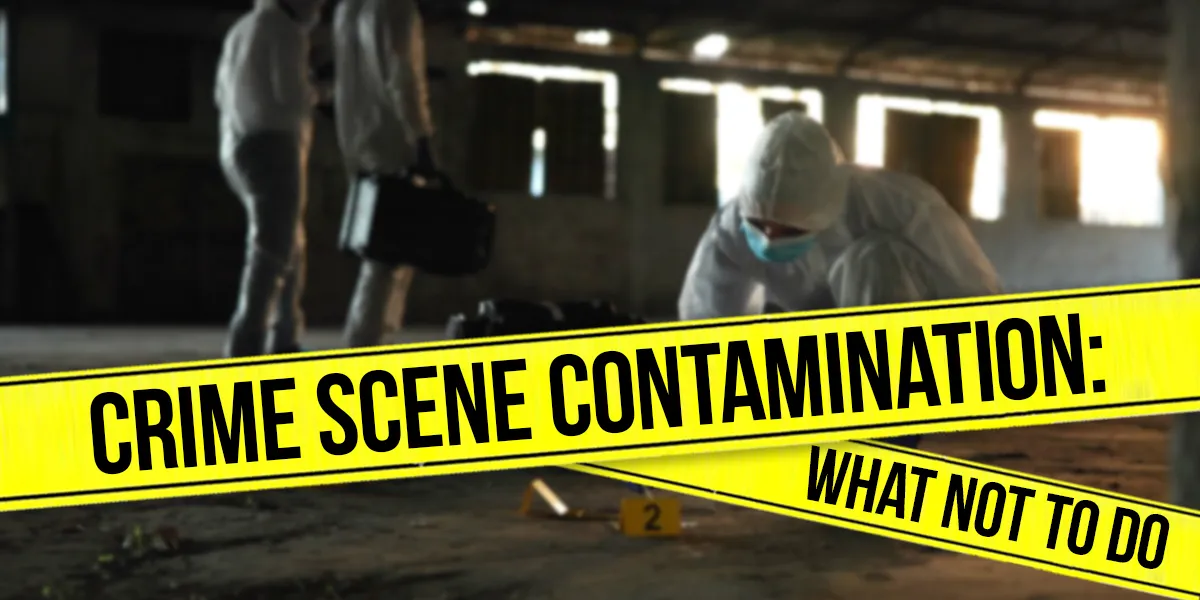
  • Crime Scene Contamination: What Not to Do

    Crime Scene Contamination: What Not to Do

    Imagine stumbling upon a chaotic scene late at night—a broken window, scattered belongings, and that eerie silence that screams something went wrong. Your first instinct might be to rush in, pick things up, or call for help while pacing around. But hold on, that’s exactly where things can go south fast. As someone who’s spent years around law enforcement folks and heard their war stories, I’ve learned that one wrong move can turn solid evidence into a courtroom disaster. This article dives deep into crime scene contamination, focusing on what you absolutely shouldn’t do, backed by real insights to keep things real and relatable.

    Understanding Crime Scene Contamination

    Crime scene contamination happens when foreign materials or substances sneak into the area, messing with the original evidence left behind. It’s like adding extra ingredients to a recipe that ruin the whole dish—suddenly, fingerprints, DNA, or fibers don’t tell the true story. This unintended interference can come from anyone or anything, leading to flawed investigations and heartbreaking miscarriages of justice.

    Primary vs. Secondary Transfer

    Primary transfer is direct, like when you touch an object and leave your skin cells behind. Secondary transfer is sneakier—it happens through intermediaries, such as using the same tool at multiple scenes without cleaning it. Think of it as a chain reaction; one small slip, and evidence from an unrelated case ends up confusing everything.

    Why It Matters in Investigations

    Contamination doesn’t just muddle facts; it erodes trust in the system. I’ve chatted with detectives who lost cases because a stray hair from an officer showed up in DNA tests, sparking doubts. It’s emotionally draining—victims wait for closure, only to face delays or worse.

    Common Mistakes at a Crime Scene

    One big no-no is letting too many people wander in, turning the area into a social gathering. Officers, witnesses, or even curious neighbors can track in dirt, fibers, or worse, destroying subtle clues like footprints. It’s tempting to “help,” but that often backfires, creating more questions than answers.

    Touching or Moving Objects

    Don’t grab anything unless it’s life-or-death. Moving a chair or picking up a weapon might seem harmless, but it can smear prints or transfer your DNA. I remember a story from a buddy in forensics: a well-meaning cop shifted a bloody knife, and bam—his glove print became a red herring in court.

    Eating, Drinking, or Smoking Nearby

    Picture this: you’re stressed, so you sip coffee while surveying the scene. That droplet could mix with evidence, or cigarette ash might fall into a key area. It’s not just gross; it’s a contamination bomb waiting to explode, potentially invalidating biological samples.

    Failing to Use Proper PPE

    Skipping gloves, masks, or booties is like inviting trouble. Without them, your sweat, breath, or shoe treads add unwanted elements. Humor me—don’t be that guy in movies who dramatically uncovers clues bare-handed; in real life, it’s a fast track to evidence dismissal.

    Ignoring Weather or Environmental Factors

    Outdoor scenes are tricky; rain can wash away blood, wind scatters fibers. Not covering evidence quickly enough lets nature play detective, often wrongly. I’ve seen cases where a sudden downpour turned a clear trail into a muddy mess, frustrating everyone involved.

    The Don’ts: A Quick Checklist

    • Don’t enter without authorization—chain of custody starts at the door.
    • Avoid using personal items like phones; stick to official radios.
    • Never litter or leave trash; it could be mistaken for evidence.
    • Steer clear of unnecessary conversations near evidence—spit happens.
    • Don’t assume something’s irrelevant; let experts decide.

    Real-Life Examples of Contamination Gone Wrong

    Take the Adam Scott case: a young man spent months in jail for rape because his saliva from a prior sample contaminated a reused plastic tray. The lab washed it, but not well enough, leading to a false match. It’s a chilling reminder of how tiny oversights snowball.

    The Time Travel Murder Mix-Up

    In 1997, DNA from a murder victim’s nails matched another woman’s—except she died weeks earlier. Turns out, lab scissors weren’t fully cleaned between samples, transferring DNA. This “time travel” blunder delayed justice and highlighted tool hygiene’s importance.

    Amanda Knox and Evidence Mishandling

    During the Meredith Kercher murder investigation, police didn’t change gloves often, risking cross-contamination. Critics pointed to mishandled DNA on a knife, fueling appeals and acquittals. It’s a high-profile mess that shows how contamination fuels doubt.

    Police DNA on Samples

    Studies show officers’ DNA appearing in traces due to indirect transfer—like from equipment. In Austria, a database caught 347 incidents over years, many from secondary paths. These examples hit home; innocent lives hang in the balance.

    Impacts of Crime Scene Contamination

    Contamination can torpedo cases, leading to wrongful convictions or guilty parties walking free. It wastes resources, erodes public trust, and prolongs victims’ pain. Emotionally, it’s gut-wrenching—families relive trauma in retrials, all because of avoidable slips.

    Legal Ramifications

    Tainted evidence often gets tossed in court, weakening prosecutions. Defense attorneys love spotting contamination; it creates reasonable doubt. In serious crimes like homicides, this means justice delayed or denied, shaking the legal system’s foundation.

    Emotional Toll on Victims and Families

    Beyond courts, there’s human cost. Imagine learning a loved one’s killer escaped due to a contaminated sample—it’s infuriating. I’ve heard stories where families pushed for reforms after such failures, turning grief into advocacy.

    How to Avoid Contamination: Best Practices

    Secure the scene immediately with tape or barriers to limit access. Log everyone who enters; it’s simple but crucial for accountability. This step alone cuts unauthorized contamination risks dramatically.

    Wearing Proper PPE

    Double up on gloves, change them frequently, and don full suits for biohazards. Masks prevent breath or saliva transfer—think COVID lessons applied to forensics. It’s not overkill; it’s smart protection for you and the evidence.

    Evidence Collection Order

    Start with fragile traces like hairs or fibers, then move to fluids or prints. This sequence minimizes destruction from later steps, like powders contaminating DNA. It’s like baking—prep delicate ingredients first.

    Packaging and Storage Tips

    Air-dry wet items before bagging in paper, not plastic, to dodge mold. Seal with tape, skip staples to avoid cuts and blood mixes. Proper handling preserves integrity from scene to lab.

    Decontamination Protocols

    Wipe tools with 10% bleach between uses; set up zones for shedding PPE. For gear like cameras or clipboards, regular cleaning prevents carryover. These habits turn potential pitfalls into prevented problems.

    Pros and Cons of Common Anti-Contamination Measures

    MeasureProsCons
    Disposable PPEReduces transfer risks; easy disposal.Costly for frequent use; environmental waste.
    Double GlovingExtra barrier; quick outer changes.Can feel bulky; might reduce dexterity.
    Scene LoggingTracks entrants; aids chain of custody.Time-consuming in emergencies.
    Bleach CleaningEffective against biohazards; cheap.Corrosive on some equipment; strong smell.

    Comparison: Traditional vs. Modern Tools for Prevention

    Traditional methods like basic gloves and tape work, but modern ones shine. Compare manual swabbing to DNA-free kits: the latter minimizes human error with pre-sterilized tools. Or standard barriers vs. digital mapping—scanners capture scenes without physical intrusion, cutting contamination odds.

    Traditional Tools

    Rely on basics like paper bags and manual logs. They’re reliable but prone to oversight in busy scenes.

    Modern Innovations

    3D scanners and no-touch wands lift prints without dust, preserving originals. Microbial analysis adds layers, identifying contaminants early.

    Best Tools for Crime Scene Management

    For top-notch prevention, grab DNA collection kits with sterile swabs and vials—they’re game-changers for bio evidence. Brands like Puritan offer reliable options, ensuring no pre-contamination.

    Essential PPE Kits

    Look for full-body suits from DuPont Tyvek; they’re breathable yet protective. Pair with N95 masks and nitrile gloves for comprehensive coverage.

    Digital Documentation Devices

    Invest in high-res cameras like Nikon forensics models or 3D lasers from Faro. They document without touching, ideal for fragile scenes.

    Decontamination Supplies

    Stock 10% bleach solutions and UV sterilizers. For portable cleaning, Clorox wipes are handy, but always follow protocols.

    Where to Get Training and Resources

    Head to the National Institute of Justice (NIJ) site for free online modules on DNA handling and contamination prevention—perfect for beginners. For books, “Crime Scene Management” by Raul Sutton offers practical scene-specific methods.

    Recommended Books

    • “An Introduction to Crime Scene Investigation” by Aric Dutelle: Comprehensive overview.
    • “Crime Scene Unit Management” by Edward Wallace: Focuses on error-free preservation.

    Online Courses

    Sirchie’s forensic classes cover evidence collection; virtual options run $400-500. Or try Hazmat School’s crime scene cleanup course for biohazard focus.

    People Also Ask

    What is contaminated evidence?

    Contaminated evidence is foreign material added post-crime, like transferred DNA, altering its reliability.

    How do investigators prevent cross-contamination?

    By changing PPE often, using disposable tools, and cleaning equipment with bleach solutions.

    What are examples of crime scene contamination?

    Cases like Adam Scott’s false rape charge from reused trays or the 1997 murder mix-up via unclean scissors.

    Why is contamination a big deal in forensics?

    It can lead to wrongful convictions, lost cases, and undermined justice, affecting lives profoundly.

    FAQ

    How can civilians avoid contaminating a potential crime scene?

    Stay out, don’t touch anything, and call authorities immediately. Your safety comes first, but preserving the scene helps justice.

    What are the first steps for officers at a scene?

    Secure the perimeter with tape, limit access, and document arrivals. This sets the foundation for clean evidence.

    Are there apps or tech for contamination tracking?

    Yes, digital logs and apps like Evidence.com track chain of custody, reducing human error.

    How does weather affect contamination risks?

    Elements like rain dilute traces; cover evidence quickly with tarps to protect integrity.

    What’s the cost of contamination mistakes?

    Beyond financial—retrials run thousands—it causes emotional harm, eroding trust in law enforcement.

    In wrapping up, remember that avoiding contamination isn’t just procedure; it’s about honoring the truth. From my chats with pros, one slip can haunt a case forever. Stay vigilant, use the right tools, and let’s keep justice clean. For more, check NIJ’s training resources.